Wood Boiler Heat Exchanger Problems: Common Issues and Solutions
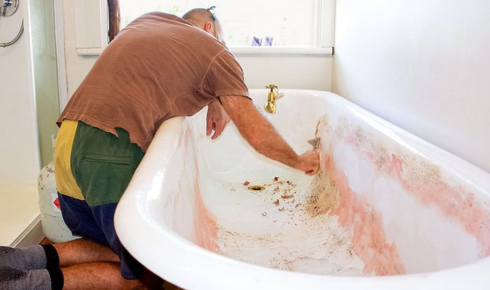
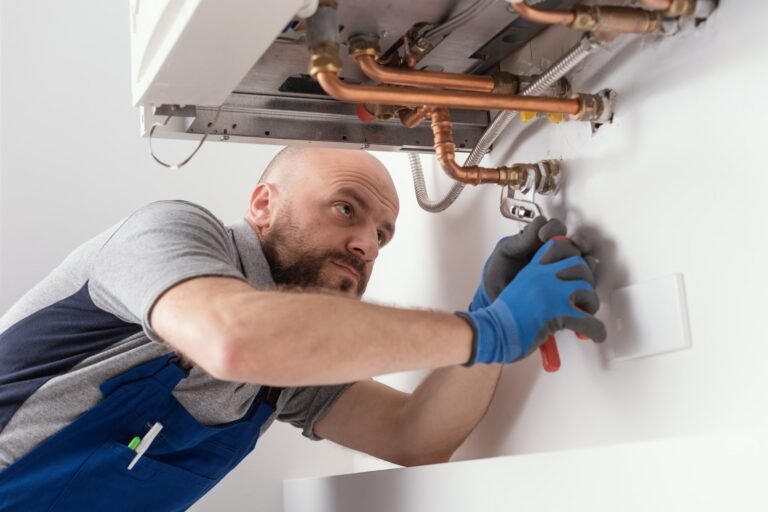
A wood boiler heat exchanger can develop problems that reduce heating efficiency, increase fuel use, or affect the performance of the entire heating system. Understanding the most common issues can help homeowners identify warning signs early and know when maintenance or professional service may be needed. What Does a Wood Boiler Heat Exchanger Do? A heat exchanger is one of the most important components in a wood boiler system. Its primary job is to transfer heat from the boiler water to another fluid or heating circuit without allowing the two fluids to mix. When wood burns inside the boiler, the resulting heat warms the water circulating through the system. The heat exchanger then transfers that thermal energy to the water used for radiators, radiant floor heating, domestic hot water, or another heating application. When the heat exchanger is clean and functioning properly, heat can move efficiently through the system. However, several problems can interfere with this process. 1. Mineral Scale and Deposits One of the most common problems is the buildup of mineral deposits on heat exchanger surfaces. Hard water contains minerals such as calcium and magnesium, which can accumulate over time when water is repeatedly heated. Even a relatively thin layer of scale can reduce heat transfer. The boiler may need to operate longer to achieve the desired temperature, which can increase wood consumption and reduce overall efficiency. Solution Regular inspection and cleaning can help prevent excessive buildup. Depending on the system and the type of deposits present, cleaning may involve mechanical methods or an appropriate cleaning solution. It is also important to maintain suitable water quality. The U.S. Department of Energy explains that maintaining heating equipment properly can help systems operate more efficiently and reliably. 2. Corrosion Corrosion can occur when metal components are exposed to unsuitable water chemistry, oxygen, moisture, or other corrosive conditions. Over time, corrosion can weaken the heat exchanger and potentially lead to leaks. Rust or discoloration around connections and other components may indicate that corrosion is occurring somewhere within the system. Solution Water quality and system conditions should be monitored according to the boiler manufacturer’s recommendations. Keeping oxygen exposure under control and maintaining proper system water chemistry can help reduce corrosion. If corrosion has already caused significant damage, cleaning may not be enough. A qualified technician should inspect the component and determine whether repair or replacement is appropriate. 3. Soot and Combustion Deposits…