
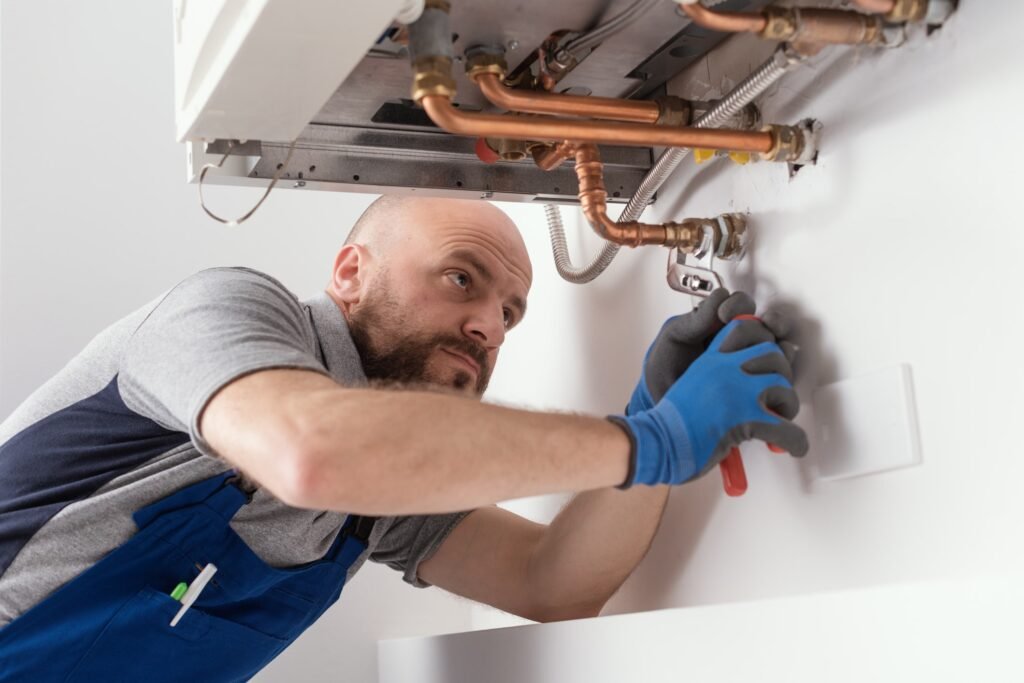
A wood boiler heat exchanger can develop problems that reduce heating efficiency, increase fuel use, or affect the performance of the entire heating system. Understanding the most common issues can help homeowners identify warning signs early and know when maintenance or professional service may be needed.
What Does a Wood Boiler Heat Exchanger Do?
A heat exchanger is one of the most important components in a wood boiler system. Its primary job is to transfer heat from the boiler water to another fluid or heating circuit without allowing the two fluids to mix.
When wood burns inside the boiler, the resulting heat warms the water circulating through the system. The heat exchanger then transfers that thermal energy to the water used for radiators, radiant floor heating, domestic hot water, or another heating application.
When the heat exchanger is clean and functioning properly, heat can move efficiently through the system. However, several problems can interfere with this process.
1. Mineral Scale and Deposits
One of the most common problems is the buildup of mineral deposits on heat exchanger surfaces. Hard water contains minerals such as calcium and magnesium, which can accumulate over time when water is repeatedly heated.
Even a relatively thin layer of scale can reduce heat transfer. The boiler may need to operate longer to achieve the desired temperature, which can increase wood consumption and reduce overall efficiency.
Solution
Regular inspection and cleaning can help prevent excessive buildup. Depending on the system and the type of deposits present, cleaning may involve mechanical methods or an appropriate cleaning solution.
It is also important to maintain suitable water quality. The U.S. Department of Energy explains that maintaining heating equipment properly can help systems operate more efficiently and reliably.
2. Corrosion
Corrosion can occur when metal components are exposed to unsuitable water chemistry, oxygen, moisture, or other corrosive conditions. Over time, corrosion can weaken the heat exchanger and potentially lead to leaks.
Rust or discoloration around connections and other components may indicate that corrosion is occurring somewhere within the system.
Solution
Water quality and system conditions should be monitored according to the boiler manufacturer’s recommendations. Keeping oxygen exposure under control and maintaining proper system water chemistry can help reduce corrosion.
If corrosion has already caused significant damage, cleaning may not be enough. A qualified technician should inspect the component and determine whether repair or replacement is appropriate.
3. Soot and Combustion Deposits
Wood boilers rely on combustion to produce heat. If the wood is too wet, the combustion process is poor, or the boiler is not operating under appropriate conditions, soot and other combustion deposits can accumulate on heat transfer surfaces.
These deposits act as an insulating layer. Instead of transferring heat efficiently into the boiler water, some of the available heat remains trapped in the combustion gases.
Solution
Use properly seasoned fuel that meets the boiler manufacturer’s recommendations. Regularly inspect and clean combustion areas and heat transfer surfaces according to the manufacturer’s maintenance schedule.
Good combustion practices can also help reduce excessive creosote and soot formation.
4. Reduced Water Flow
A heat exchanger needs adequate water flow to transfer heat effectively. Blocked pipes, dirty strainers, air trapped in the system, pump problems, or improperly configured valves can restrict circulation.
You may notice uneven heating, slower temperature increases, or unusual temperature differences between parts of the system.
Solution
Check that circulation pumps are operating correctly and that valves are positioned properly. The system should also be checked for trapped air and restrictions.
Because circulation problems can involve several components, diagnosing the actual cause is important before replacing the heat exchanger itself.
5. Leaks and Cracks
A leaking heat exchanger should never be ignored. Leaks can result from corrosion, freezing, thermal stress, physical damage, or deterioration of seals and connections.
A drop in system pressure, visible moisture, or unexplained water loss can be a warning sign.
Solution
Turn attention to the source of the leak rather than simply adding more water to the system. Small leaks may sometimes come from fittings or connections rather than the exchanger itself.
If the heat exchanger has developed a crack or serious corrosion, replacement may be necessary. Continuing to operate damaged equipment can create additional problems and should be evaluated by a qualified professional.
6. Air Trapped in the Heating System
Air can enter a hydronic heating system during installation, maintenance, or through other system conditions. Trapped air can interfere with circulation and create unusual noises.
You might hear bubbling, gurgling, or knocking sounds from pipes or radiators. Some areas may also remain cooler than expected.
Solution
Proper air removal is important for maintaining reliable circulation. Depending on the system design, this may involve bleeding radiators, using air separators, or checking automatic air vents.
The correct procedure depends on the boiler and heating system configuration, so always follow the manufacturer’s instructions.
How to Prevent Wood Boiler Heat Exchanger Problems
Preventive maintenance is generally easier and less expensive than dealing with a major failure. A simple maintenance routine can include inspecting the heat exchanger, cleaning combustion and heat transfer surfaces, checking water quality, monitoring system pressure, and inspecting pumps and valves.
Fuel quality matters too. Burning properly seasoned wood can support cleaner combustion and reduce unwanted deposits.
It is also worth keeping records of maintenance and unusual changes in boiler performance. A gradual increase in fuel consumption or longer heating times can provide an early indication that something needs attention.
When Should You Call a Professional?
Some maintenance tasks can be performed by experienced homeowners, but problems involving leaks, pressure, electrical components, combustion, or major internal components should be handled carefully.
If the boiler is losing water, overheating, producing unusual smoke, or showing signs of significant corrosion, professional inspection is recommended. Always follow the manufacturer’s safety and maintenance instructions before attempting repairs.
Final Thoughts
A wood boiler heat exchanger plays a central role in moving useful heat through a heating system, so problems with scale, corrosion, deposits, water flow, air, or leaks can have a noticeable effect on performance. The good news is that many issues can be reduced through proper fuel selection, regular cleaning, water quality management, and routine inspections.
If you are experiencing persistent heating problems or suspect an issue with your wood boiler heat exchanger, take the time to investigate the cause rather than allowing the problem to worsen. Contact our team or visit our website at outdoorboiler.com to learn more about wood boiler systems, maintenance, and solutions that can help keep your heating system operating reliably.