Water is one of those things we rarely think about until something seems off. It flows from the tap, fills our coffee maker, washes our dishes, and supports nearly every part of daily life. Because it’s so routine, even a small change can feel surprisingly alarming.
One of the most common complaints homeowners have is water that suddenly develops a sulfur-like smell. You turn on the faucet expecting clean, fresh water and instead get hit with an odor that makes you pause. Maybe it’s stronger in the morning. Maybe it’s only noticeable in hot water. Either way, it’s hard to ignore.
The good news is that smelly water often has a clear explanation. The challenge is figuring out what’s causing it and whether it requires action.
Why Water Sometimes Smells Like Sulfur
That familiar sulfur odor is usually linked to naturally occurring compounds found in groundwater. In many cases, the culprit is hydrogen sulfide gas, which forms when organic materials break down in environments with little or no oxygen.
This gas can enter private wells through underground rock formations or natural geological processes. It may also develop within plumbing systems under certain conditions. Even tiny concentrations can create a surprisingly strong smell, which explains why people often notice it immediately.
Interestingly, the water may still look crystal clear. That’s what makes odor issues so confusing. There aren’t always visible signs that anything is wrong.
The Role of Wells and Groundwater
Homeowners who rely on private wells tend to encounter sulfur odors more frequently than those connected to municipal water systems. Groundwater naturally interacts with minerals, rocks, and organic matter beneath the surface.
As water travels through these underground environments, it can absorb substances that affect its taste and smell. Some regions experience this more than others due to local geology. Two neighboring properties can sometimes have very different water quality profiles despite being only a short distance apart.
This is why professional water testing remains one of the most valuable tools for identifying the exact source of a water odor problem.
When the Water Heater Is Part of the Problem
Not every sulfur smell originates underground. Sometimes the issue begins inside the home itself.
Water heaters can occasionally create conditions that encourage sulfur-producing reactions. Certain components inside the tank may interact with minerals already present in the water supply, leading to noticeable odors.
A simple way to narrow down the cause is to compare hot and cold water. If the smell only appears when hot water is running, the water heater deserves closer inspection. If both hot and cold water smell the same, the source is more likely related to the incoming water supply.
It sounds simple, but this basic observation can save homeowners a lot of guesswork.
Living With an Unpleasant Water Odor
Even when sulfur-related odors don’t pose an immediate health concern, they can still create frustration. Brushing your teeth, washing vegetables, or filling a drinking glass becomes less enjoyable when there’s an unpleasant odor lingering in the background.
People often describe feeling uncertain about whether the water is safe, even when testing shows no significant risks. That’s understandable. Smell plays a major role in how we judge quality.
In some households, family members begin purchasing bottled water simply to avoid the experience. Others stop using tap water for cooking altogether. Over time, what starts as a minor nuisance can become an expensive inconvenience.
Sulfur Bacteria and Other Hidden Contributors
Sulfur smells aren’t always caused by gas alone. Certain bacteria can also contribute to the problem.
These microorganisms thrive in low-oxygen environments and feed on sulfur-containing compounds. As they grow, they can produce odors and create slimy deposits inside pipes, pumps, and plumbing fixtures.
Although sulfur bacteria are generally not considered dangerous, they can affect water quality and contribute to ongoing maintenance issues. In some situations, bacterial growth may even reduce the efficiency of plumbing equipment over time.
Because several different factors can produce similar odors, proper testing is often the only reliable way to identify the real source.
Why Temporary Fixes Rarely Last
When homeowners first notice a sulfur smell, they often search for quick remedies. Flushing pipes, using scented cleaning products, or temporarily increasing water usage may reduce the odor for a short period.
Unfortunately, these approaches rarely address the underlying cause.
Water problems tend to return when the source remains untreated. It’s a bit like placing a towel under a leaking sink instead of repairing the leak itself. The symptom may become less noticeable, but the problem continues quietly in the background.
That’s why experts generally recommend identifying the root cause before investing time or money into potential solutions.
Exploring Long-Term Treatment Options
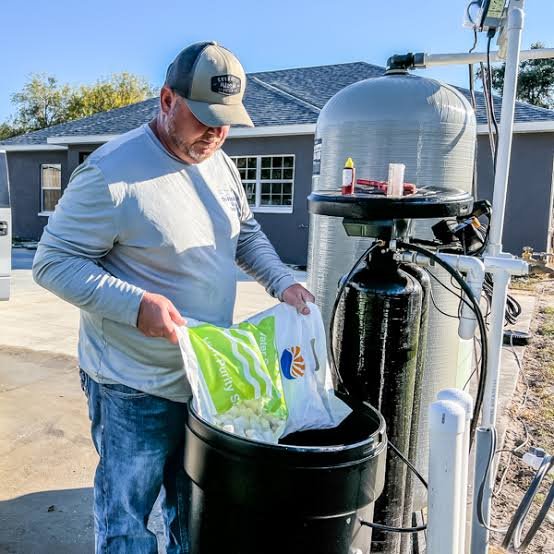
The right solution depends entirely on what testing reveals. Some situations call for filtration systems, while others may require disinfection, aeration, or equipment upgrades.
Modern water treatment solutions are more effective than many people realize. Advances in filtration technology have made it possible to target specific contaminants and odor-causing compounds with impressive precision.
The key is choosing a treatment method that matches the actual issue rather than guessing. What works for one household may be completely ineffective for another.
Professional guidance can help homeowners avoid unnecessary expenses and achieve better long-term results.
Small Signs Worth Paying Attention To
Water quality issues don’t always announce themselves dramatically. Sometimes the first clue is a faint smell that comes and goes. Other times, it’s a subtle change in taste or a slight discoloration around fixtures.
Paying attention to these small changes matters. Water systems, like many things in a home, often provide warning signs before larger problems develop.
Regular maintenance, periodic testing, and a little curiosity can go a long way toward protecting water quality and avoiding costly repairs later.
Final Thoughts
A sulfur smell in water can be surprising, frustrating, and occasionally concerning. Yet in many cases, the cause is identifiable and manageable once the proper investigation begins.
Whether the source involves groundwater conditions, plumbing components, sulfur bacteria, or naturally occurring gases, understanding what’s happening beneath the surface is the first step toward a solution.
Clean water isn’t just about appearance. It’s about confidence. When your water smells fresh, tastes clean, and performs as expected, it’s one less thing to worry about in everyday life. And honestly, that’s something every homeowner can appreciate.