Every property reaches a point when maintenance becomes more than a quick fix. A roof starts leaking in heavy rain, exterior materials begin to wear down, or a once-reliable building component no longer performs as it should. At first, the problem may seem small enough to ignore. Then another issue appears, and suddenly the list of repairs is longer than expected.
Knowing whether to repair, restore, or replace something completely can save money, reduce disruption, and help protect a property’s value. The trick is to look beyond the immediate problem and understand what’s causing it in the first place.
Understanding the Difference Between Repair and Replacement
A repair is often the sensible choice when damage is limited and the surrounding structure remains in good condition. Replacing a broken component, sealing a small opening, or fixing a damaged section can restore performance without requiring a larger project.
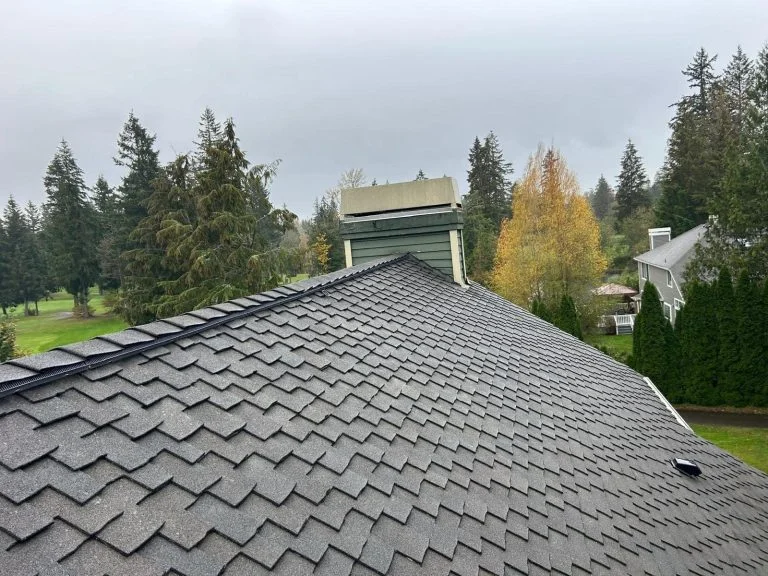
Replacement becomes more appealing when the damage is widespread, the materials are nearing the end of their useful life, or the same problem keeps returning. For instance, fixing a single damaged section of roofing may be reasonable, but repeated leaks across different areas could indicate that the entire system needs closer attention.
The decision shouldn’t be based on age alone. Installation quality, weather exposure, maintenance history, and the type of material all influence how long a component lasts. A professional inspection can help establish whether the problem is isolated or part of a broader pattern.
When comparing options for full and partial replacements, ask the contractor to explain exactly what needs to be removed and why. A partial replacement can be appropriate when the damaged area is clearly defined and compatible with the remaining materials. Full replacement may make more sense when deterioration is extensive or matching the existing materials would be difficult.
A good recommendation should include the reasoning behind it, not simply a price and a proposed start date.
Look for Warning Signs Before Damage Spreads
Many building problems develop gradually. Water may seep through a small opening for weeks before a stain appears on the ceiling. Loose exterior materials can allow moisture behind a wall covering, while damaged seals around windows may create drafts that are easy to mistake for ordinary temperature changes.
Pay attention to recurring stains, peeling paint, soft or swollen materials, unusual odors, and changes in how doors or windows operate. Outside, look for missing roofing pieces, damaged flashing, overflowing gutters, and cracks that appear to be growing.
These signs don’t always mean a major replacement is necessary, but they deserve attention. Moisture is especially important because it can affect several parts of a building at once. What begins as a small leak may eventually damage insulation, wood, finishes, or stored belongings.
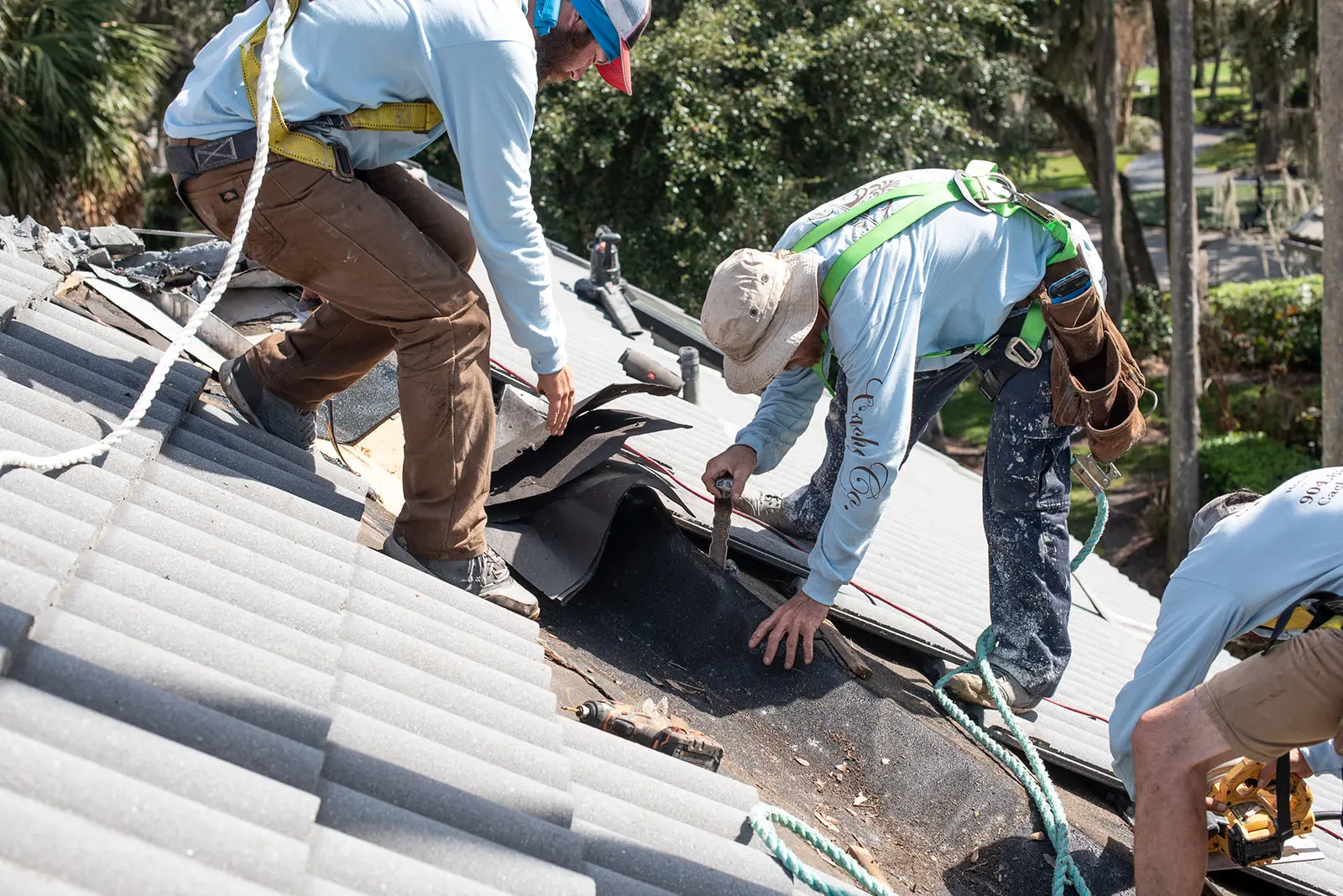
Property owners can carry out basic visual checks from safe locations, but climbing onto roofs or inspecting unstable structures is best left to trained professionals. Safety matters more than getting a closer look.
Why Professional Assessment Makes a Difference
It can be tempting to choose the lowest quote and move on. Yet a cheap repair isn’t necessarily good value if it addresses only the visible symptom. Before approving work, make sure the contractor has investigated the underlying cause and explained the available solutions.
A useful estimate should describe the work, materials, labor, cleanup, expected schedule, and any exclusions. If the project may uncover concealed damage, ask how additional work will be documented and approved. These details help prevent confusion once the job is underway.
Experience also matters. A contractor familiar with the relevant materials and local weather conditions may recognize problems that aren’t immediately obvious. Ask about insurance, applicable licensing, references, and workmanship warranties. Clear communication is a good sign, particularly when the contractor can explain technical issues in straightforward language.
Planning Work Around Your Property and Location
Property owners don’t all face the same conditions. Local climate, building design, access, and material availability can influence which repairs are practical. A home exposed to strong winds may have different maintenance priorities from a commercial building surrounded by mature trees or a property that experiences frequent heavy rainfall.
Understanding our service areas is useful when arranging an inspection or planning a project. Before scheduling, confirm that the contractor serves your location and can provide the type of work required. It’s also worth asking whether travel charges, permit requirements, or access limitations could affect the final cost.
For larger projects, scheduling can make a real difference. Roofing and exterior work may depend on suitable weather, while some interior improvements can continue during less favorable conditions. Discussing the timeline in advance helps you plan around household routines, tenants, employees, or customers.
If a building is used for business, ask how the work will affect entrances, deliveries, parking, and daily operations. A contractor who considers these practical details can help reduce disruption.
Compare the Long-Term Cost, Not Just the Quote
The cheapest option may look attractive at first, particularly when several expenses arrive at once. Still, it’s worth considering how much maintenance the proposed solution will require and how long it is expected to last.
Suppose a repair costs less than replacement but is likely to need attention again within a short period. If the underlying system is already deteriorating, repeated repairs may eventually cost more than a carefully planned replacement. On the other hand, replacing an otherwise sound system simply because it’s old can waste money that could be used elsewhere.
Ask for itemized estimates where possible so you can compare similar scopes of work. Check whether the materials, removal costs, disposal, preparation, and finishing work are included. If two quotes differ substantially, ask why rather than assuming one contractor is overcharging or the other is offering a bargain.
It’s also wise to keep a contingency in your budget for unexpected conditions, especially in older buildings. Hidden damage isn’t always visible until existing materials are removed.
Ask Questions Before Committing
You don’t need to be a construction expert to make an informed decision. A few direct questions can reveal whether the proposed work suits your needs.
- What is causing the problem, and how was it identified?
- Can the affected section be repaired reliably?
- What are the advantages and limitations of replacement?
- Which materials will be used, and what maintenance will they need?
- What is included in the estimate, and what could cost extra?
- What warranties or follow-up services are available?
A reputable contractor should be willing to answer these questions without pressuring you into an immediate decision. Be cautious of vague promises, unusually aggressive sales tactics, or guarantees that seem too good to be true.
If you’re unsure, a second opinion can be worthwhile, particularly for an expensive or extensive project.
Take the First Step with a Clear Plan
Waiting rarely improves a building problem. At the same time, rushing into a major project without understanding the condition of the property can lead to unnecessary expense. The better approach is to gather information, prioritize urgent concerns, and compare practical solutions.
If you’re considering repairs or replacements, get a free estimate when the service provider offers one, and use the opportunity to understand the proposed scope of work. Ask for written details, clarify any uncertainties, and take time to evaluate the options before making a commitment.
A well-maintained property doesn’t happen by accident. It comes from noticing small changes, making thoughtful decisions, and choosing work that addresses the real problem. With the right information and a reliable professional, you can protect your investment and make improvements with greater confidence.