Metal roofs are built to last, but many homeowners are surprised to learn that they constantly expand and contract as temperatures change. Panels expand in summer heat and pull back in winter cold, a cycle that repeats each year. This movement is a normal part of how a well-engineered metal roof functions, not a flaw. The real question is not whether a roof will move, but whether it was installed to move safely. The Metal Roofing in Douglassville, PA, is built with proper engineering specifications to handle this expansion and contraction without straining panels or fasteners. Homeowners who understand this process are better positioned to judge installation quality and plan maintenance.
Why Do Metal Roofs Expand and Contract?
Metal roofs expand and contract because of thermal movement, the natural process in which materials change size as temperatures rise and fall. When sunlight heats the roof, the metal absorbs energy and expands, causing the panels to become slightly longer. As temperatures drop at night, the metal contracts, causing the panels to shorten slightly. A 24-foot steel panel can shift roughly a quarter inch across a wide seasonal swing, which is why clearance at panel ends is built in rather than left to chance.
How Does Proper Installation Manage Thermal Movement?
Thermal movement is accounted for during installation rather than corrected later. In the installation of metal roofing in Douglassville, PA, this is accomplished through taking the following steps:
i. Using concealed clips that allow panels to move without exposing the fasteners
ii. Proper spacing between panels and trim
iii. Proper fastener placement as directed by the manufacturer
iv. Panel alignment that does not restrict the roof’s natural movement
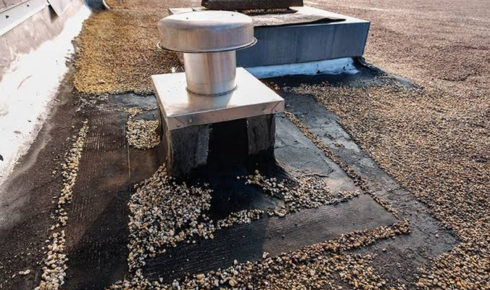
v. Flashing installed properly around every penetration
Manufacturers specify exact clip spacing and fastener placement for each panel profile. Floating clips let panels slide with temperature change, while fixed clips anchor one point on the run so movement travels in a controlled direction. Panel runs also have length limits, and longer runs call for expansion joints to break up the movement. A Kynar or PVDF finish adds another layer of protection, since it reflects heat rather than absorbing it, reducing how much the panel moves in the first place. If any of these steps is skipped, the roof responds differently to temperature swings.
Recognizing Signs of Wear
Certain warning signs point to installation or wear issues rather than normal thermal movement. Some of the common signs to watch for include:
i. Fasteners that have backed out or loosened
ii. Panels with a slight buckle or visible distortion
iii. Cracked sealant at joints or around penetrations
iv. Flashing that has pulled away from a penetration
Maintenance Practices That Help Preserve Roof Performance
An annual inspection helps identify most of these issues before they require major repairs. A thorough inspection, especially after storms or seasonal shifts, should include the following checks:
i. Fasteners and concealed clips
ii. Flashing around vents, chimneys, and skylights
iii. Sealant at joints and seams
iv. Roof penetrations
v. Gutters and drainage paths
Keeping the roof free of debris helps water drain properly, and a qualified inspector will also check that older repairs were completed correctly.
Selecting the Right Roofing Contractor
Because installation determines how well a roof accommodates this movement, contractor selection is an important decision. Homeowners should look for the following qualifications:
i. Direct experience installing metal roofing systems, not only asphalt shingles
ii. Familiarity with the manufacturer’s installation guidelines
iii. Current licensing and insurance
iv. Written workmanship and material warranties
v. Experience with the local climate
Local experience is valuable because contractors understand the area’s seasonal temperature swings, weather conditions, and installation requirements. Contacting references from similar projects can confirm that experience directly.
Final Thoughts
Expansion and contraction are not weaknesses; they are the normal behavior of all metal roofs. Whether expansion and contraction cause problems depends largely on the quality of the installation. Properly installed roofs can withstand season after season of expansion and contraction without showing signs of stress. With regular inspections, minor issues such as loose fasteners or damaged sealant can be addressed before they develop into costly repairs. In Douglassville, PA, with its wide range of temperatures, this becomes more of a practical matter than a theoretical one.