
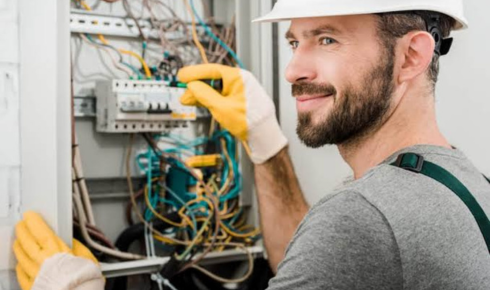
Smart home technology used to feel like a luxury reserved for tech enthusiasts. Today, it is becoming a standard feature in households across Pennsylvania. Homeowners are quickly realizing that installing a smart thermostat or a voice-controlled lighting system is not as simple as plugging something in.
This shift has pushed Electrical Contractors in Cranberry Township, PA to rethink how they train their teams, prepare for projects and advise homeowners.
Why Smart Homes Are Changing the Job
A decade ago, most residential electrical work followed a predictable pattern. Rewire a room, install a panel, replace outdated fixtures and then move on to the next job. Smart technology has added a layer of complexity that did not exist before. Homeowners are no longer asking only for additional outlets or lighting. They want systems that respond to voice commands and adjust automatically based on daily routines.
This means contractors have to understand networking basics alongside traditional wiring. A smart doorbell or security camera depends on a stable Wi-Fi signal, proper voltage and correct placement, none of which is covered by traditional electrical training. Contractors who have not adapted are finding themselves turning down jobs they used to take without a second thought.
What Local Contractors Are Doing Differently
Cranberry Township in Butler County, part of the greater Pittsburgh area, has seen steady growth in new construction and home renovations. This naturally brings more requests for integrated technology. Contractors serving this area are responding in a few clear ways:
a. Investing in certifications for smart panel installation and home automation systems.
b. Partnering with technology vendors to stay updated on compatible devices. They also stay familiar with popular smart home communication standards such as Matter, Zigbee, Z-Wave and Thread so compatible devices work together reliably.
c. Offering consultations that combine electrical safety checks with smart device planning.
d. Training junior electricians on low-voltage wiring, not just standard 120V circuits.
These changes are driven by practical customer demand rather than passing trends. Homeowners are often confused about what their electrical systems actually need. A contractor who can explain the difference between a smart switch and a smart dimmer, or why a whole-home surge protector matters for protecting expensive equipment, builds trust quickly.
The Panel Problem Nobody Talks About
One of the most common issues contractors encounter is an outdated electrical panel. Many homes were built before smart technology existed, and their panels simply were not designed to handle the additional load. Adding a few smart devices to a home running on an old 100-amp panel can lead to tripped breakers, flickering lights or worse.
In many cases, a 200-amp service upgrade is the most practical solution for homes adding multiple smart devices or planning future electrical expansion. Contractors also perform an electrical load calculation to determine whether the existing service can safely support the added demand.
Contractors are now spending more time during initial visits assessing whether a panel upgrade is necessary before any smart installation begins. Skipping this step might save money upfront. But it usually leads to bigger problems and a second service call within months.
Balancing Convenience with Safety
It’s easy for homeowners to get excited about the convenience of automated lighting and smart security systems. But safety remains the priority. That is why reliable electrical contractors in Cranberry Township take the time to explain potential risks before installation.
A few things worth keeping in mind before any smart upgrade:
a. Not every smart device is compatible with existing wiring without modification. One of the most common issues is the absence of a neutral wire in older switch boxes, which many smart switches require for proper operation.
b. Battery-powered devices still need proper mounting and secure connections.
c. DIY installation kits often skip code requirements that professionals catch immediately.
d. Professionals also check whether AFCI and GFCI protection meets current electrical code requirements before installing new smart devices.
Working with a licensed contractor reduces the risk of compatibility issues, code violations and improper installation.
Final Thoughts
Electricians who continue investing in training, building relationships with trusted suppliers, and giving homeowners honest advice are better prepared to meet the demands of modern smart homes.
If you’re planning to add smart home technology or upgrade your electrical system, speak with experienced electrical contractors in Cranberry Township who can assess your home’s wiring, recommend the right upgrades and ensure everything is installed safely and up to code.